
Stream GeoSciences engineers and geologists are familiar with a host of drilling technologies and have relationships with some of the best drilling companies nationwide. We will choose the best drilling technology to economically meet the goals of the Phase II Environmental Site Assessment. Drilling methods used most often during Phase II ESAs include: Push ProbeContinue reading “Drilling Methods for a Phase II ESA Project”
Category Archives: Uncategorized
What is a Phase II ESA and What’s Involved In Phase II ESA?
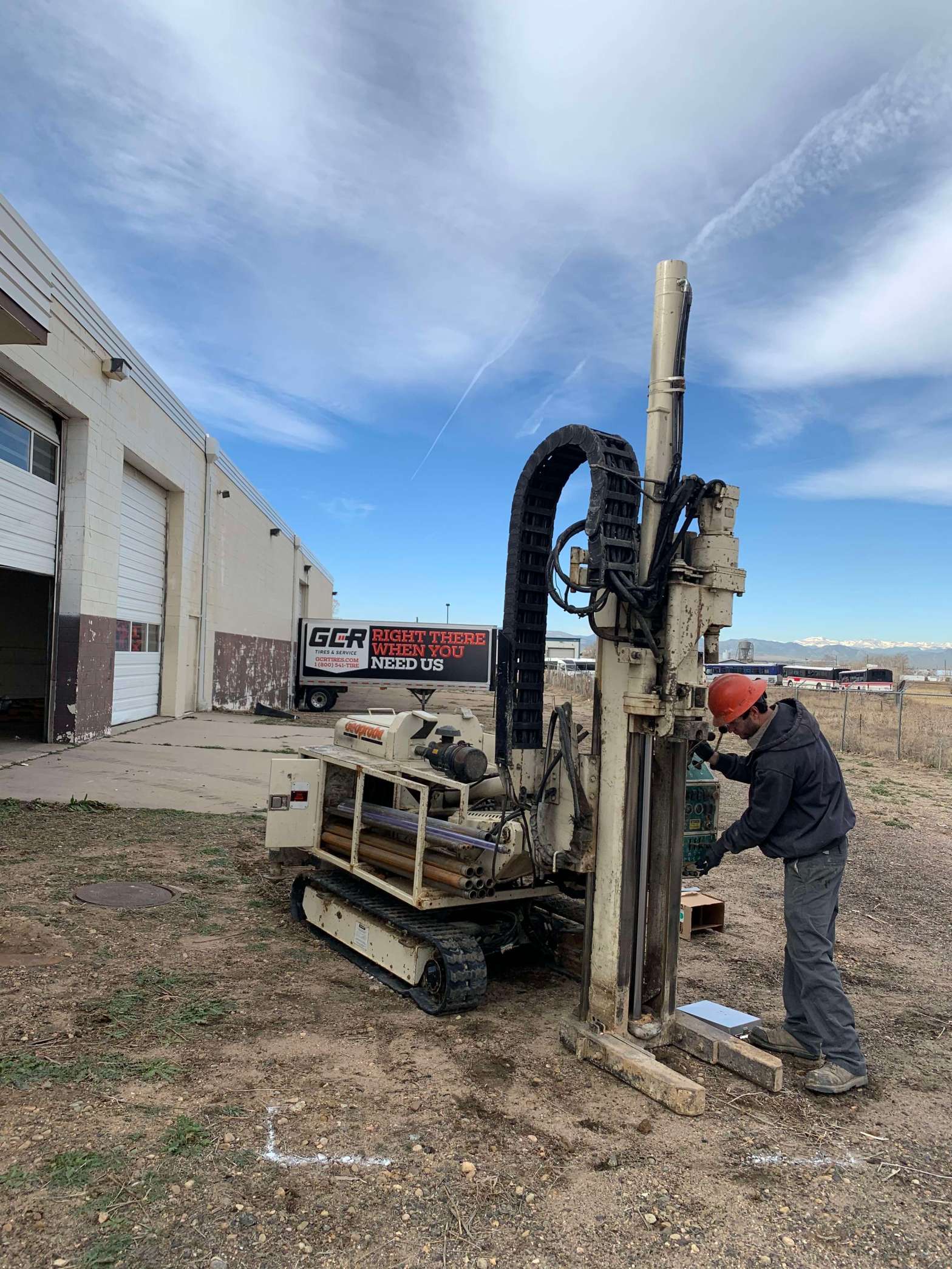
At the most basic level, a Phase II Limited Subsurface Investigation is an environmental site investigation that collects physical samples and subjects them to laboratory analysis specific to chemicals of concern (COCs) identified in the initial environmental site assessment. This data collection and analysis determines whether contaminants are present on site in sufficient concentration toContinue reading “What is a Phase II ESA and What’s Involved In Phase II ESA?”
The Change Could Do You Good: Adopting The 2021 Phase I ESA Standard

On March 14, the EPA officially accepted the new ASTM Standard E1527-21 for conducting Phase I Environmental Site Assessments (ESAs) as meeting the requirements of All Appropriate Inquiries (AAI). Since most commercial real estate (CRE) transactions require a Phase I ESA, the change is big news for anyone who buys, sells, invests in, or lends on CRE.Continue reading “The Change Could Do You Good: Adopting The 2021 Phase I ESA Standard”
Comprehensive Environmental Response, Compensation and Liability Act (CERCLA)
Also known as the “Superfund” law, the Comprehensive Environmental Response, Compensation and Liability Act (CERCLA) was enacted in 1980 and, among other things, gave the federal government the ability to respond to releases or threatened releases of hazardous substances, and to pursue polluters (“responsible parties”) or potential polluters (“potentially responsible parties”) for the cleanup of contaminated sites.
Read More
ASTM E1527-05 Standard – Phase I Environmental Site Assessments
The ASTM E1527-05 Standard is the industry standard used for Phase I Environmental Site Assessments. Fully named “ASTM E1527-05 Standard Practice for Environmental Site Assessments.
Read More
American Society for Testing and Materials (ASTM)
ASTM is a developer of international voluntary consensus standards. ASTM standards are developed by committees of relevant industry professionals who meet regularly in an open and transparent process to deliver standards, test methods, specifications, guides, and practices.
Read More
All Appropriate Inquiries (AAI)
All Appropriate Inquiry or “AAI” is defined by ASTM and EPA (through CERCLA) as the process of conducting inquiry “into the previous ownership and uses of the property consistent with good commercial or customary practice.
Read More
Professional Webinars
Microbial Insights has more than 55 professional webinars that span a broad range of topics including molecular biology in groundwater and vapor intrusion investigation currently available on their website. Please click here to scroll through the webinars.
International Petroleum Environmental Conference (IPEC) 2020
Share your knowledge, expertise, and research on environmental issues and solutions the petroleum industry is facing at IPEC 2020 in San Antonio, TX between October 19-21, 2020.
Changes to the Soil Total Petroleum Hydrocarbon (TPH) Calculator
The Texas Commission on Environmental Quality (TCEQ) discovered and fixed several errors found in the soil TPH calculator for the >C12-C16 Aliphatic, >C16-C21 Aliphatic, and the >C21-C35 Aliphatic carbon ranges.
 STREAM GEOSCIENCES